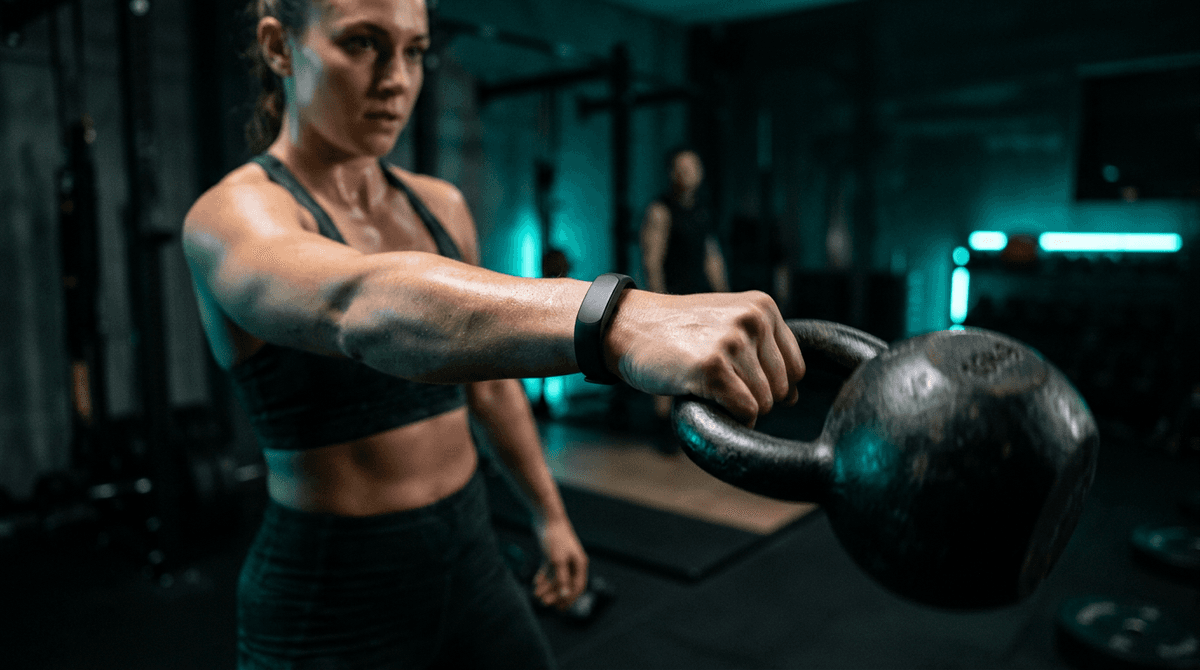
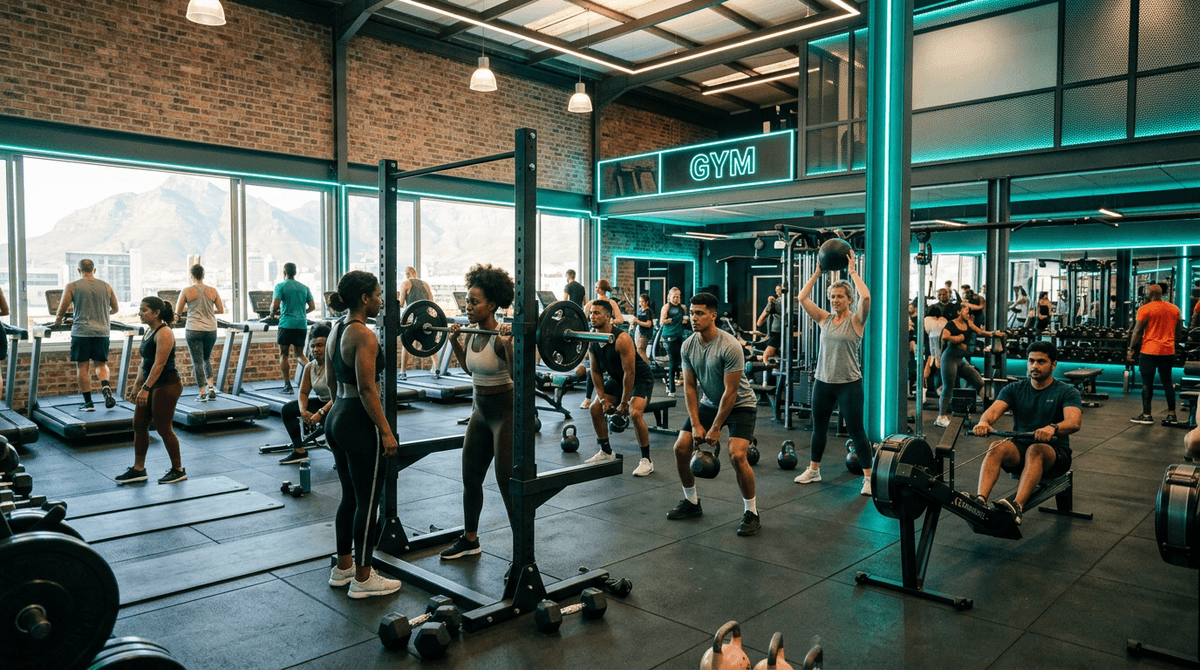
Best Fitness Tracker for the Gym in 2026
The best fitness trackers for gym-goers in 2026. What actually matters for weightlifting, CrossFit, and gym training — and which trackers deliver it.
Recovery science, fitness tracking, nutrition, and wearable tech — written for people who train.
The best fitness trackers for gym-goers in 2026. What actually matters for weightlifting, CrossFit, and gym training — and which trackers deliver it.

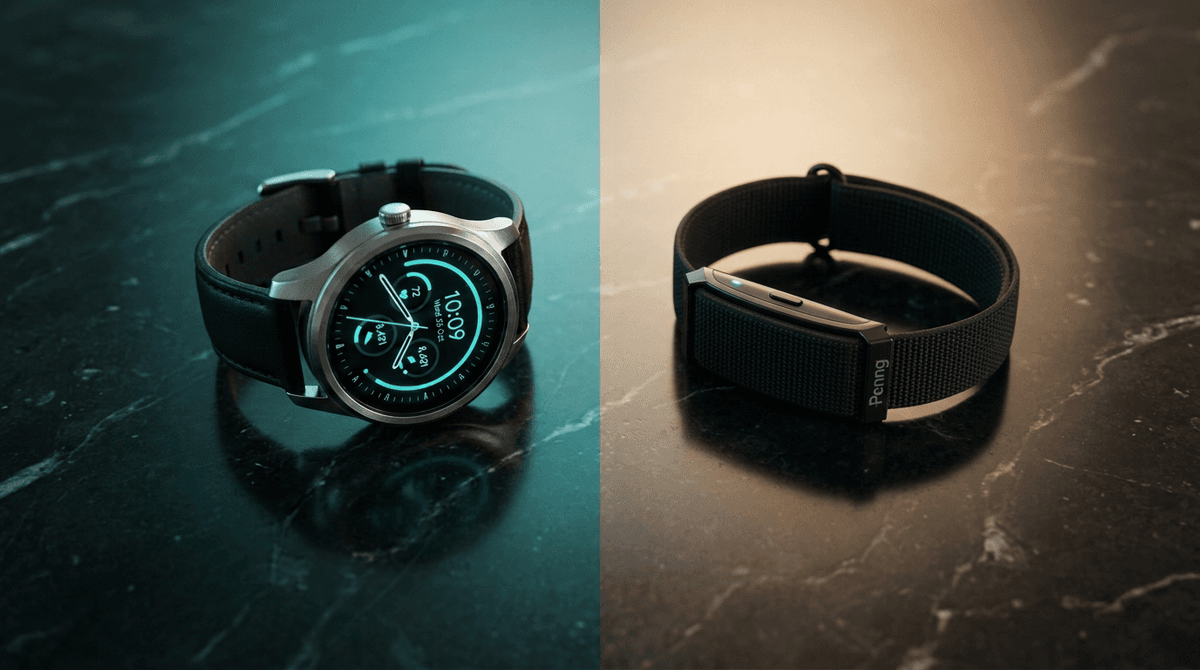
A head-to-head comparison of WHOOP and Penng. Price, battery, food tracking, recovery scores, and which one suits your lifestyle.

Samsung Galaxy Watch vs Penng health band. Body composition, skin temperature, blood pressure vs recovery-strain framework, AI food tracking, and 21-day battery.

Fitbit Charge 6 vs Penng health band. Daily Readiness Score, food tracking, recovery depth, battery life, and pricing compared for 2026.

WHOOP is great but R4,800/year is steep. These 7 alternatives deliver recovery tracking, sleep data, and fitness metrics for less.

South Africa's best outdoor training activities and how to track them. Trail running, hiking, cycling, surfing, and more, plus how recovery data helps manage outdoor training load.

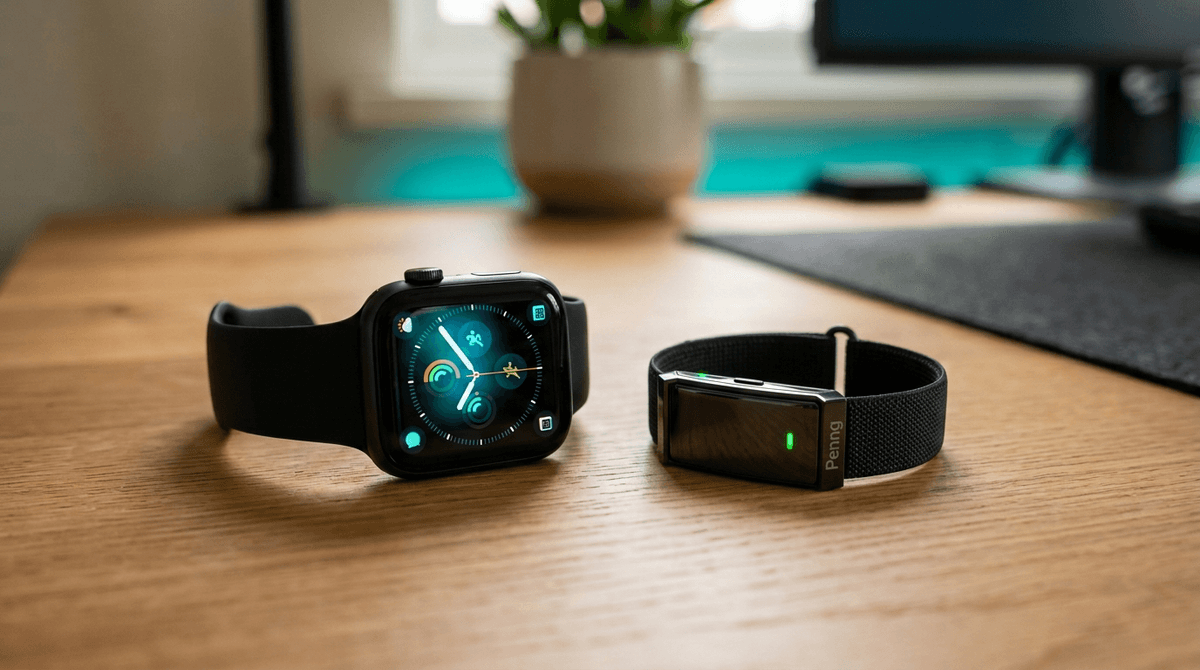
Apple Watch vs Penng health band. Do you need ECG, crash detection, and apps, or is a screen-free tracker with AI food tracking and 21-day battery the smarter choice?

WHOOP costs R4,800/year minimum. Over 3 years that is R14,400. Is the data worth it? An honest look at who should buy and who should not.

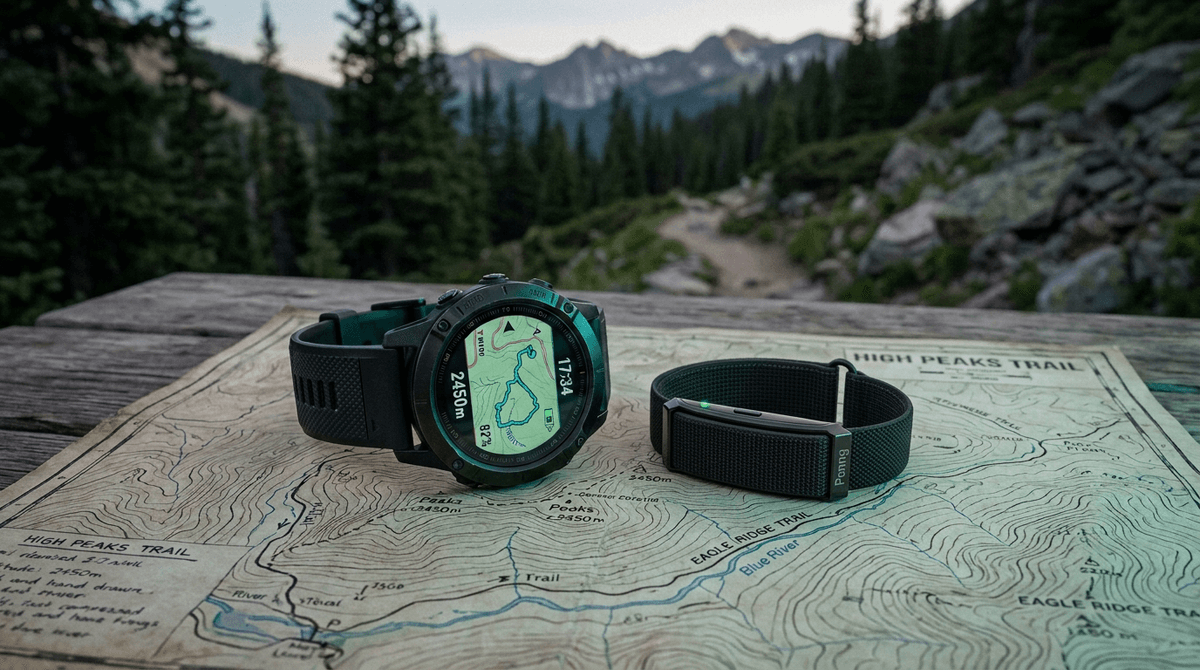
Garmin smartwatches vs Penng's screen-free health band. GPS, Body Battery vs recovery score, food tracking, battery life, and pricing compared.
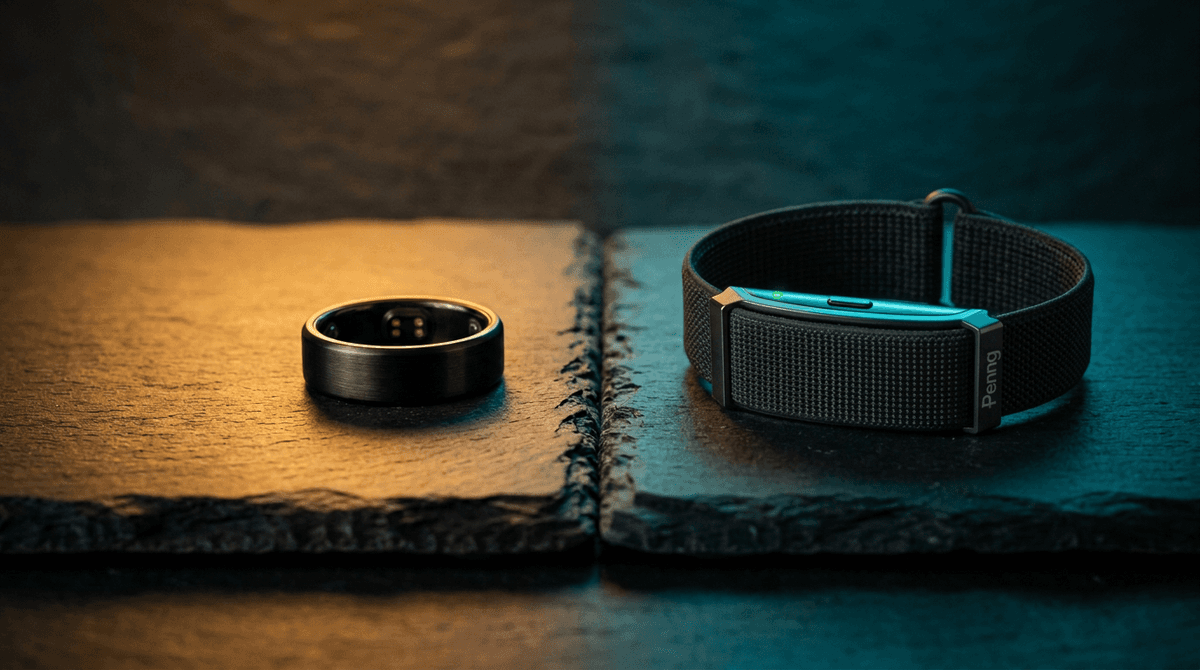
Comparing the three top recovery trackers of 2026. WHOOP, Oura Ring, and Penng go head-to-head on features, battery, food tracking, and price.

The current state of fitness in South Africa. Gym trends, wearable adoption, running culture, economic factors, digital fitness, and where the market is heading in 2026.

A detailed comparison of the Oura Ring Gen 4 and Penng health band. Form factor, sleep, recovery, food tracking, battery, pricing, and who each suits best.
A budget-friendly guide to fitness trackers in South Africa. Tiered by price in ZAR, with honest breakdowns of what you get at each level.
How Discovery Vitality and SA medical aids integrate with fitness trackers. Which wearables earn Vitality points, what goes beyond rewards programmes, and practical advice for SA consumers.

What is a strain score, how is it calculated, and how should you use it to guide training? A practical guide to understanding cardiovascular strain and matching it to your recovery.
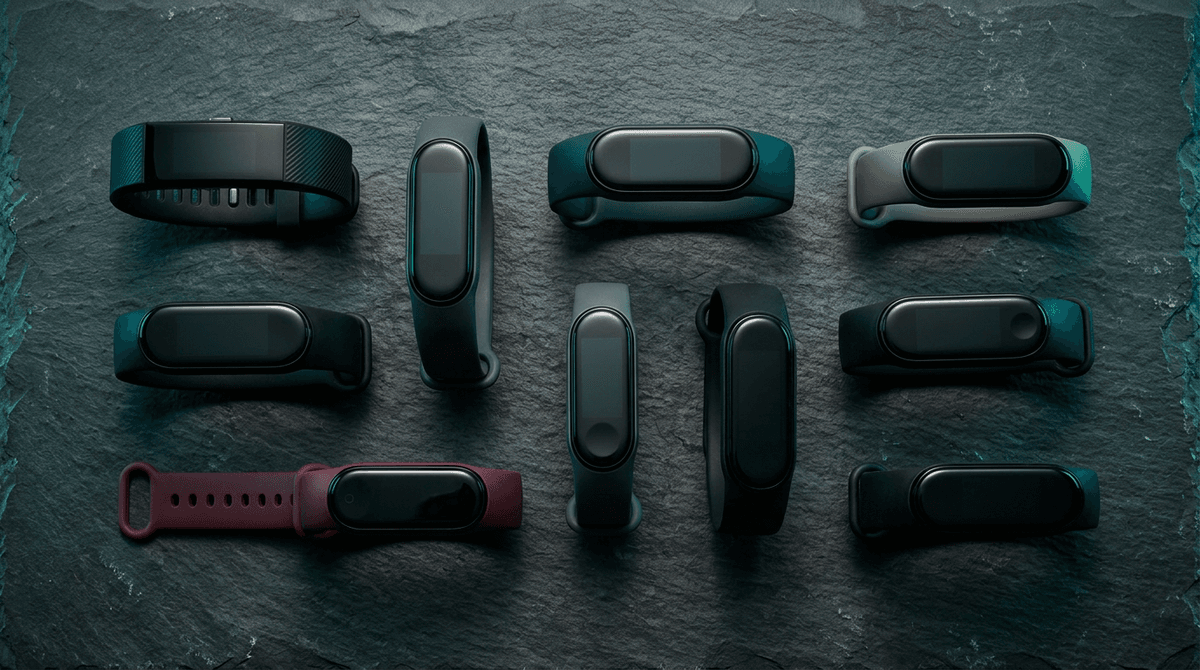
Every fitness tracker available in South Africa in 2026, compared. Prices in ZAR, local availability, import costs, and which one fits your goals.

A 2% drop in hydration measurably impairs performance. But drinking too much is also dangerous. Here is what the science says about water intake, electrolytes, and staying hydrated in South Africa's climate.

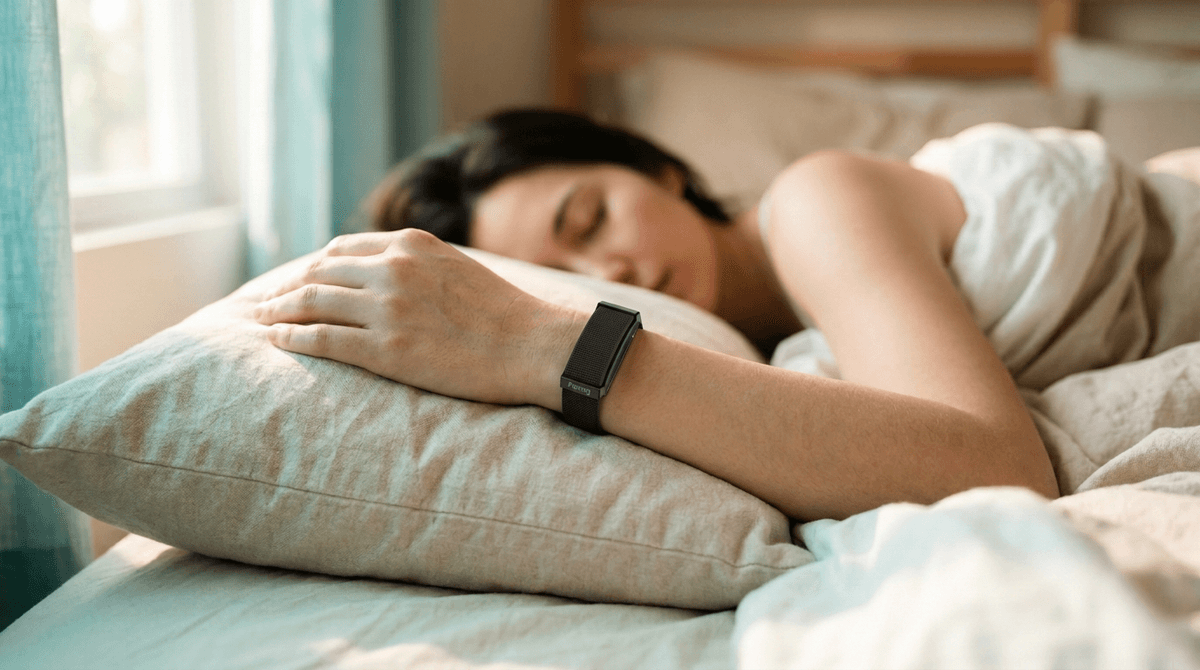
What does your sleep score actually measure? We break down how sleep scores are calculated, what a good score looks like, and why weekly trends matter more than any single night.

A simple five-minute morning routine using your recovery data to make better training decisions every day. No guesswork. Just data.
Most wearables only track calories burned. Penng tracks calories in and out with AI food recognition, barcode scanning, and multi-database matching.

Progressive overload is the foundation of all strength and fitness gains. Learn the five ways to progressively overload, how to apply them at different training levels, and why recovery is the key that makes it work.
Most food tracking apps are built for Americans eating American food. If you have ever tried to log biltong, boerewors, or a braai plate in MyFitnessPal, you know the problem. Here is what actually works in South Africa.

A practical 15-point sleep hygiene checklist covering environment, timing, nutrition, and daily habits. Actionable tips you can start using tonight for better sleep.

Even moderate drinking measurably suppresses HRV, disrupts deep sleep, and delays recovery. Here is what the data actually shows.

Manual food logging fails 95% of people within two weeks. There are better ways to track what you eat without the tedium.

The cardio vs weights debate for fat loss, settled with evidence. Calorie burn comparison, the afterburn effect, why muscle matters for metabolism, and why diet trumps both.
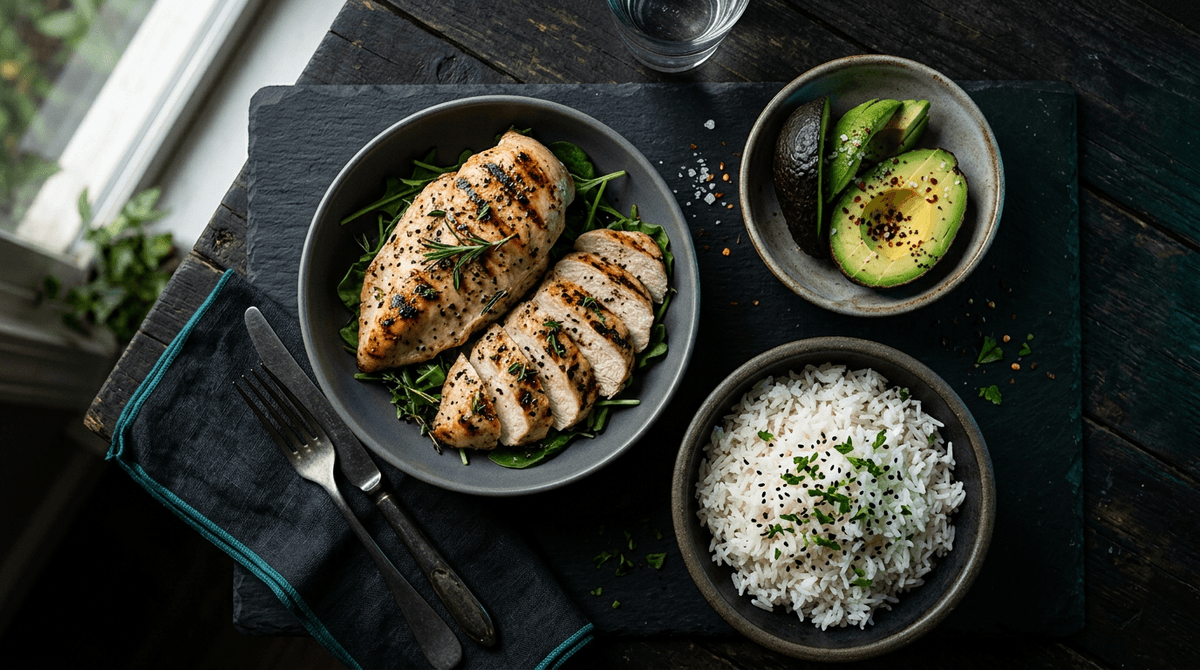
Recovery is not just rest days and sleep. What you eat in the hours after training determines how quickly your body rebuilds. Here are the best foods for recovery and why they work.

Your muscles do not grow in the gym — they grow during sleep. Here is the science of how sleep drives muscle repair, growth hormone release, and training adaptation.


A deload week is not a sign of weakness. It is a planned recovery strategy that prevents plateaus, reduces injury risk, and drives long-term progress.
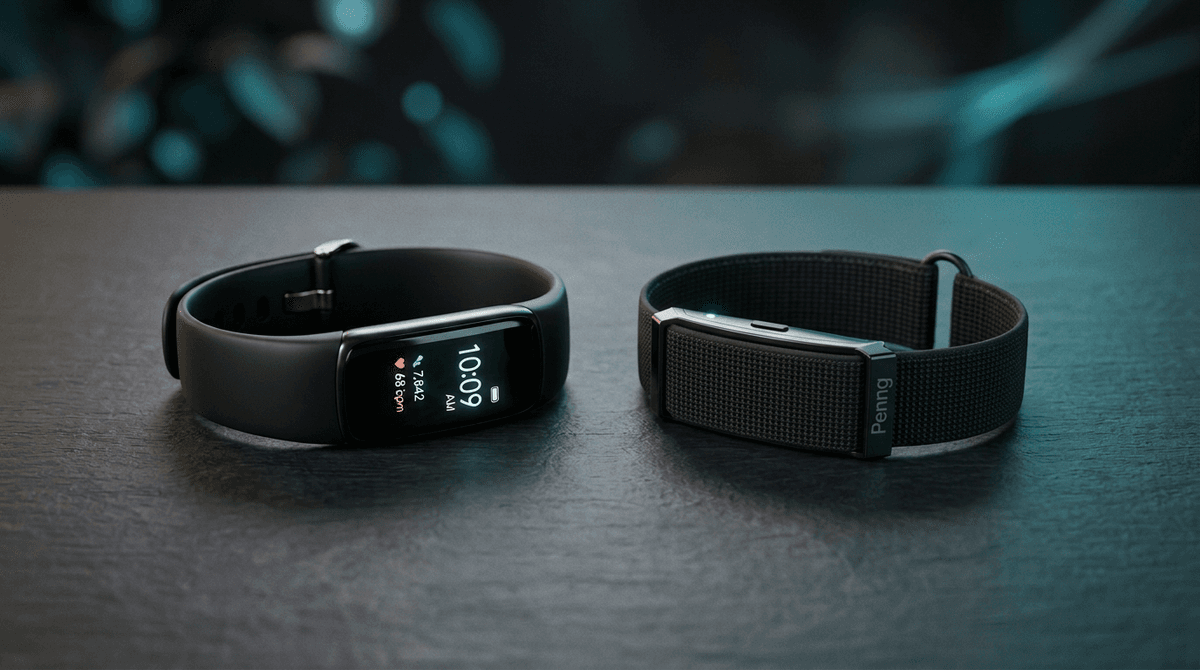
We compare the top screen-free fitness trackers in 2026. Battery life, features, price, and who each one is actually built for.

Why most workout routines fail and how to build one that lasts. Covers programming principles, training splits, recovery planning, and adjusting based on real life.

A calorie deficit is the only way to lose fat. But how you create that deficit determines whether you lose muscle, wreck your metabolism, or actually get leaner. Here is how to do it right.

Rest days do not have to mean doing nothing. Active recovery accelerates your progress when done right. Here are the best activities, heart rate guidelines, and when to just rest.
Screens on your wrist compete for your attention. A screen-free fitness tracker gives you better data without the distraction. Here's who benefits most.
How do wearables track your sleep? We break down the sensors, algorithms, and accuracy of consumer sleep trackers compared to clinical sleep studies.
Everything you need to know before buying a fitness tracker in South Africa. Budget, features, ZAR pricing, import traps, local warranty, and recommended options at every price point.

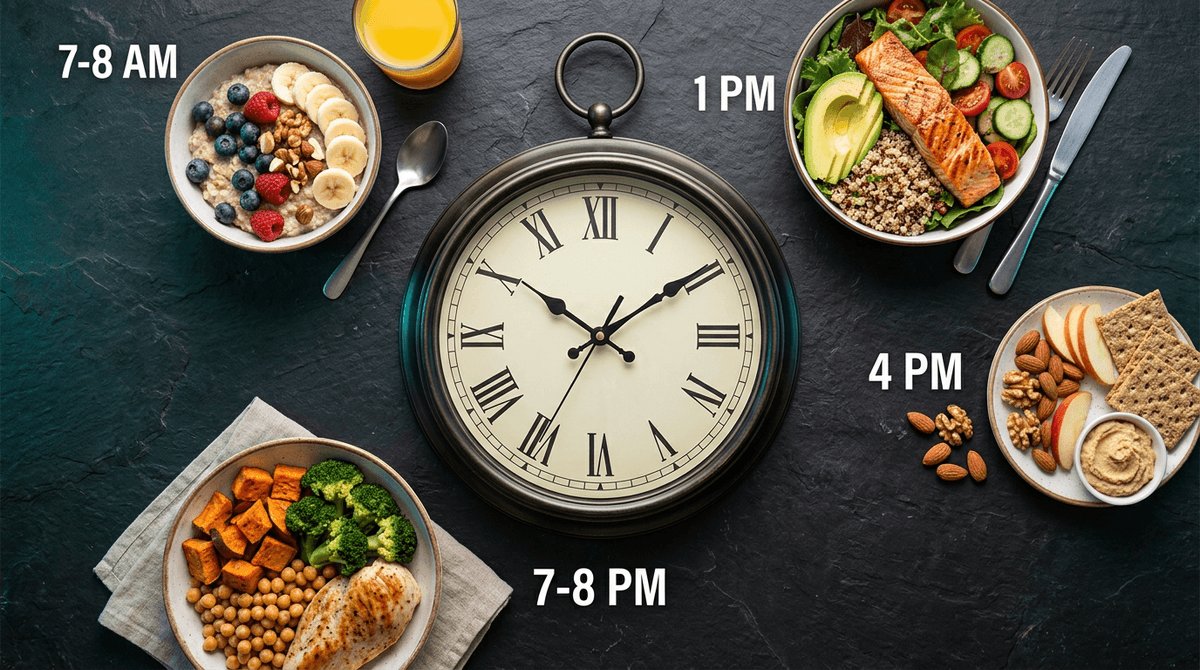
The research is clear: total daily intake matters most. But timing is not irrelevant. Here is what science says about when to eat for performance, recovery, and body composition.

Psychological stress tanks your HRV just as effectively as a hard training session. Your nervous system does not distinguish between a heavy squat and a heavy inbox.

Overtraining syndrome wrecks progress silently. Seven warning signs your body is sending, what the science says, and how to fix it before it gets worse.

Deep sleep is where physical recovery happens. Here are 10 evidence-based strategies to increase your deep sleep, from temperature and timing to nutrition and stress management.

Everything a beginner needs to start strength training — fundamental movements, sets and reps, weekly structure, equipment, progressive overload, and how recovery tracking prevents doing too much too soon.

The RDA says 0.8g per kilogram. Sports science says 1.6-2.2g. The truth depends on your goals. Here is what the research actually says about daily protein intake.

Your resting heart rate reveals more about your health than you think. Learn what a good RHR is, what affects it, and why tracking trends matters more than any single reading.
HRV is not your heart rate. It is the variation between beats, and it reveals more about your health than almost any other metric. A plain-language guide.

Want a higher HRV? These 12 strategies are backed by research and practical enough to start today. From sleep habits to cold exposure, here is what actually works.

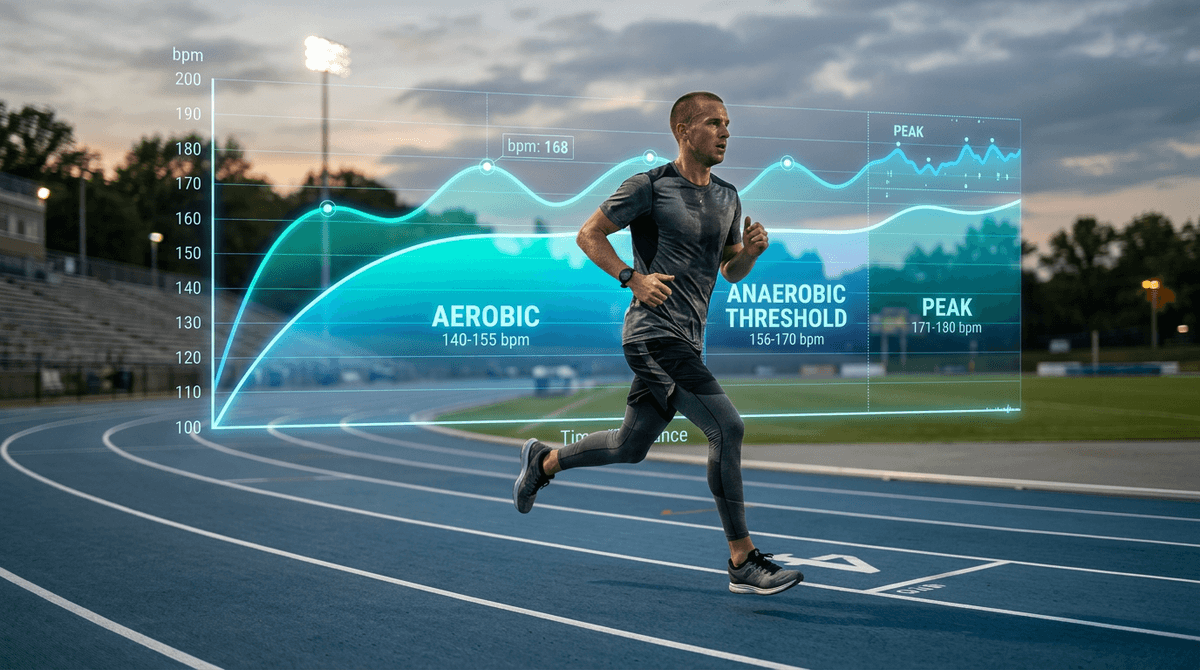
A complete guide to the five heart rate zones, what each one trains, how to calculate your zones, and why Zone 2 has become the most talked-about training concept in fitness.

A straightforward breakdown of the three macronutrients — protein, carbohydrates, and fat — what they do, how much you need, and why tracking them matters more than counting calories alone.
Your recovery score reveals when pushing harder actually makes you weaker. The smartest athletes know when not to train. Here's what the data shows.

A complete guide to the four sleep stages — NREM1, NREM2, deep sleep, and REM. Learn what happens in each stage, how long each lasts, and why sleep architecture matters for recovery.

Heart rate variability ranges vary widely by age, sex, and fitness level. Learn what a good HRV score looks like for you and why your personal baseline matters most.